The Relationship Between Wholesale Prices and Retail Markups
Understanding Wholesale Pricing in the Used Car Market
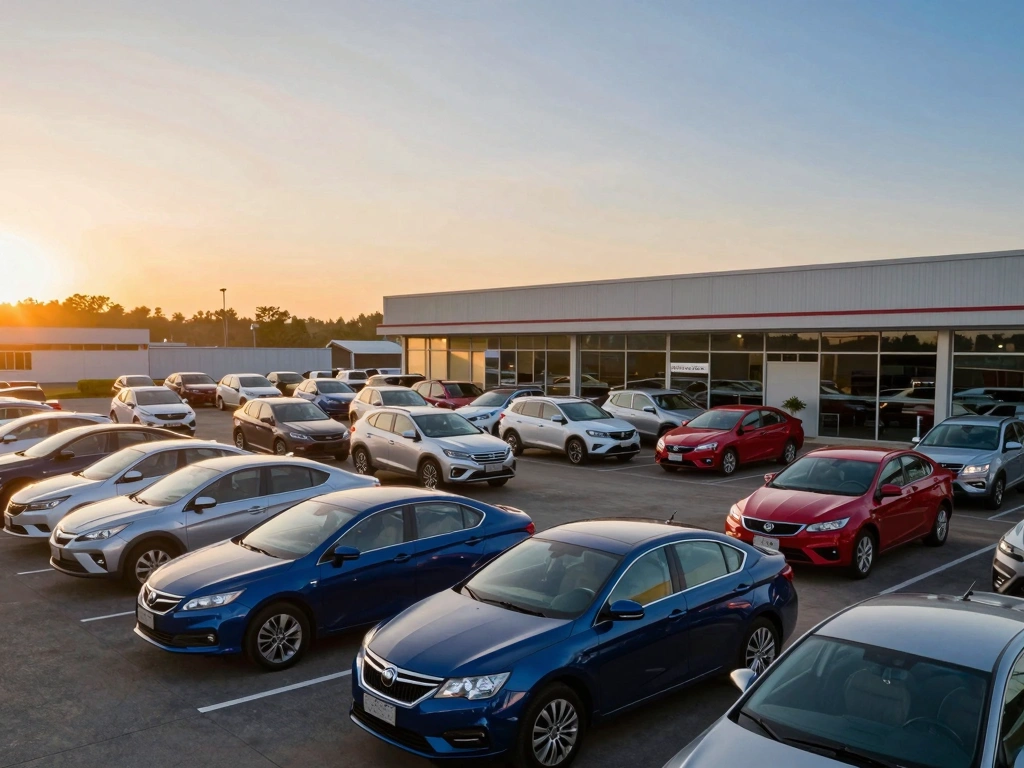
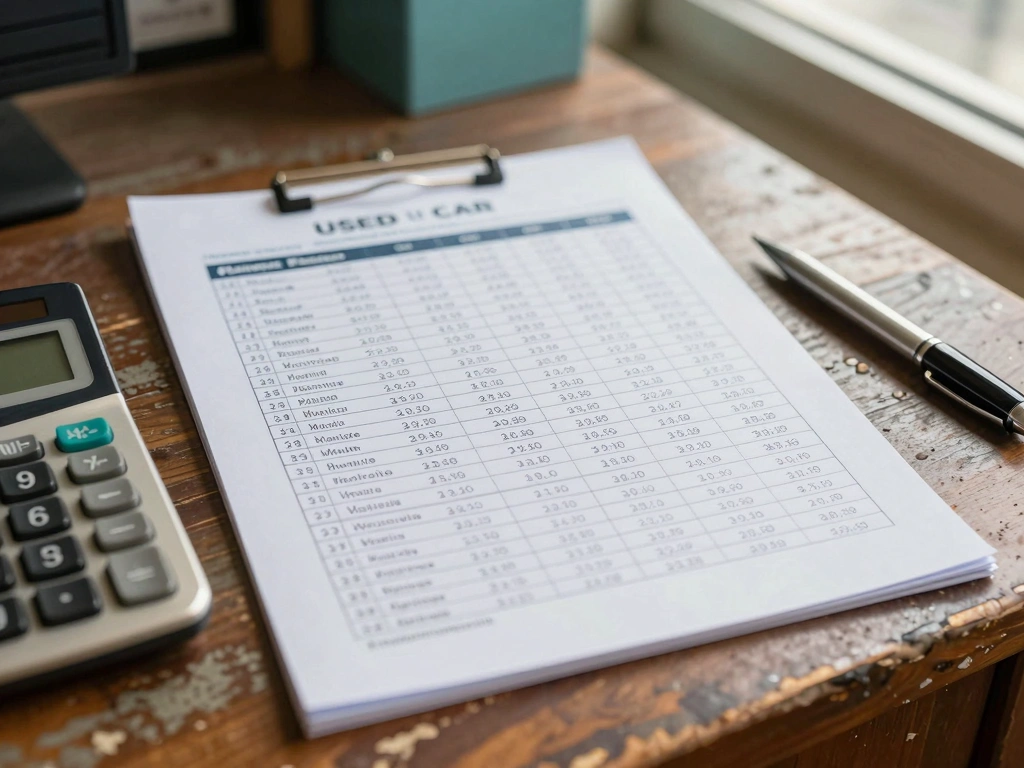
Wholesale pricing in the used car market refers to the cost at which dealerships purchase vehicles from auctions, other dealerships, or direct sellers. These wholesale prices are primarily determined by a combination of factors including vehicle age, condition, and market demand. When dealerships acquire vehicles, they assess these various factors before deciding on a purchasing price. Understanding how wholesale pricing operates is crucial for both dealerships and consumers, as it directly influences the retail markup that consumers eventually see on the lot.
The Dynamics of Supply and Demand
The relationship between supply and demand plays a pivotal role in setting wholesale prices. When the supply of used cars exceeds demand, wholesale prices tend to decrease. Conversely, a high demand for used vehicles with limited supply can drive wholesale prices up. For example, if a particular model of car becomes popular due to positive reviews or fuel efficiency, dealerships may find themselves in bidding wars at auctions, raising the wholesale price significantly. This increased cost must be reflected in the retail pricing strategy to maintain profitability.
How Auctions Influence Wholesale Prices
A significant portion of used car transactions occurs at auctions, where dealerships buy vehicles in bulk. Prices at these auctions can fluctuate based on various factors, including the auction format (physical vs. online), the reputation of the auction house, and the overall economic climate. For instance, in a recent Manheim auction, the average wholesale price of used cars rose by 12% compared to the previous year, reflecting increased demand and limited supply. Such spikes in auction prices lead dealerships to adjust their retail markups accordingly, ensuring they cover the increased costs incurred during the wholesale purchase.
Factors Affecting Wholesale Prices of Used Cars
Vehicle Age and Condition
The age and condition of a vehicle are among the most critical determinants of its wholesale price. Newer models with low mileage are typically valued higher than older, high-mileage vehicles. For instance, a three-year-old Toyota Camry in excellent condition may command a wholesale price of around $20,000, while a similar model from ten years ago might only fetch $8,000. This discrepancy in wholesale pricing directly influences how much dealerships will need to markup these vehicles for retail sale to achieve their profit margins.
Market Trends and Economic Indicators
Market trends and economic indicators significantly impact wholesale prices as well. For example, during periods of economic growth, consumers are more inclined to purchase used cars, thereby increasing demand and driving wholesale prices up. In contrast, during economic downturns, demand might wane, leading to lower wholesale prices. According to the National Automobile Dealers Association (NADA), a 5% increase in the unemployment rate can lead to a corresponding decline in used car prices of up to 10% at wholesale auctions, which would compel dealerships to lower their retail markups to remain competitive.
Seasonality in Used Car Sales
Seasonality also plays a crucial role in determining wholesale prices. Typically, the demand for used cars peaks in the spring and summer months, leading to elevated wholesale prices as dealerships stock up on inventory for the busy season. Conversely, during winter months, particularly after the holiday season, demand tends to decline, resulting in lower wholesale prices. For example, a dealership may find that a late-model SUV wholesales for $30,000 in June but drops to $25,000 by January, necessitating a reevaluation of retail pricing strategies to maintain profitability.
Calculating Retail Markups Based on Wholesale Prices
Markup Percentage Strategies
To calculate retail markups based on wholesale prices, dealerships often employ various markup percentage strategies. A common practice is to apply a standard markup of between 10% to 20% on wholesale prices. For instance, if a dealership acquires a car for $15,000 at wholesale, a 15% markup would set the retail price at $17,250. However, this markup can vary based on factors such as vehicle demand, condition, and dealership reputation.
Cost-Plus Pricing Model in Used Cars
The cost-plus pricing model is another approach dealerships use to set retail prices. In this model, the dealership calculates all costs associated with acquiring and selling a vehicle—including wholesale price, reconditioning costs, and overhead—then adds a predetermined profit margin. For example, if a dealership spends $15,000 on a vehicle and incurs an additional $1,500 in reconditioning and overhead costs, they may set the retail price at $18,000, providing a profit margin that aligns with their business goals.
Competitive Pricing and Market Positioning
Dealerships must also consider their competitive positioning when determining retail markups. In a saturated market, even slight variances in wholesale prices can lead to significant differences in retail pricing. For instance, if competitors are selling similar vehicles at lower prices due to favorable wholesale deals, a dealership may have to adjust its markup strategy to remain competitive. This could mean reducing the markup percentage or offering promotions to attract customers.
Impact of Wholesale Price Fluctuations on Retail Pricing
How Sudden Price Changes Affect Dealership Strategies
Sudden fluctuations in wholesale prices can lead to swift changes in retail pricing strategies for dealerships. For example, if wholesale prices suddenly drop due to an influx of vehicles at auction, dealerships must quickly lower their retail prices to avoid having overpriced inventory. If a dealership had marked up its vehicles based on a wholesaler price of $20,000, and that price then drops to $15,000, they may need to reduce their retail price from $24,000 to $18,000 to stay competitive.
Long-term vs. Short-term Pricing Adjustments
Dealerships face a choice between long-term and short-term pricing adjustments in response to wholesale price changes. Short-term adjustments might involve quick markdowns to clear out inventory, while long-term adjustments may require reevaluating overall pricing strategy to align with new market conditions. For instance, if a dealership expects a prolonged period of lower wholesale prices, they may decide to permanently lower retail markups to reflect this new reality.
The Role of Consumer Perception in Price Changes
Consumer perception plays a significant role in how dealerships manage retail prices in response to wholesale fluctuations. If consumers perceive prices as too high compared to competitors, they may choose to shop elsewhere. For instance, if wholesale prices rise, leading to higher retail prices, but consumers are unaware of the reasons behind the increases, they may perceive the dealership as greedy. This perception can harm the dealership's reputation and sales, compelling them to communicate pricing strategies more transparently.
Case Studies: Real-World Examples of Pricing Influence
Case Study of a Successful Dealership
One notable case is that of a successful dealership in California that adeptly managed its retail markups in response to wholesale pricing dynamics. By staying abreast of auction trends and adjusting their markup strategies accordingly, they successfully maintained an average markup of 12% while competitors hovered around 20%. This strategic pricing led to higher volume sales and improved customer satisfaction, showcasing the effectiveness of agile pricing strategies in the used car market.
Lessons from Market Downturns
Another case study involves a dealership that struggled during the 2008 financial crisis, when wholesale prices plummeted. Initially, they did not adjust their retail markups quickly enough, leading to excessive inventory and financial strain. Learning from this experience, the dealership implemented a dynamic pricing model that allowed them to adjust retail prices in real-time based on wholesale price changes, improving their resilience to future market fluctuations.
Comparative Analysis of Different Regions
A comparative analysis of dealerships in different regions reveals how local market conditions influence wholesale and retail pricing strategies. For instance, dealerships in urban areas may experience higher wholesale prices due to increased demand, leading to higher retail markups. Conversely, dealerships in rural areas often face lower wholesale prices and can afford to maintain lower retail prices to attract customers. This regional disparity highlights the importance of local market knowledge in setting effective pricing strategies.